Americans Shouldn't Have to Choose Between Eating Healthy and Feeling Safe


Trust is what holds the U.S. food system together. Once it’s lost, everyone who relies on the food system is harmed – the farmers who grow our food, the people who serve it, and the families who put it on their tables.
Of course this matters a great deal to me. My co-founders and I founded Sweetgreen because we believe eating more fresh produce is one of the simplest ways to improve people’s health. I’ve spent the better part of my life building a company around the belief that thoughtfully sourced, nutritious food tastes better and makes us healthier.
Over the past few weeks, it’s been difficult to watch people lose confidence in something as simple and essential as fresh produce. It would be disingenuous to say that’s not because of ripple effects across our business. Of course, this is hard for our entire organization. But my greater concern is what happens if people lose trust in the very foods we should all be eating more of, choosing less healthy food out of fear.
When confidence in fresh produce is shaken, it affects far more than any one company. Farmers feel it. Restaurant workers feel it. Communities that depend on fresh food feel it. There are millions of people whose livelihoods depend on an economy around fresh food. A survey has found that more than 40% of Americans are buying less fruits and vegetables, which directly impacts the farmers that grow our produce. While we will all recover, moments like these make salient the issue that confidence in our system is fragile.
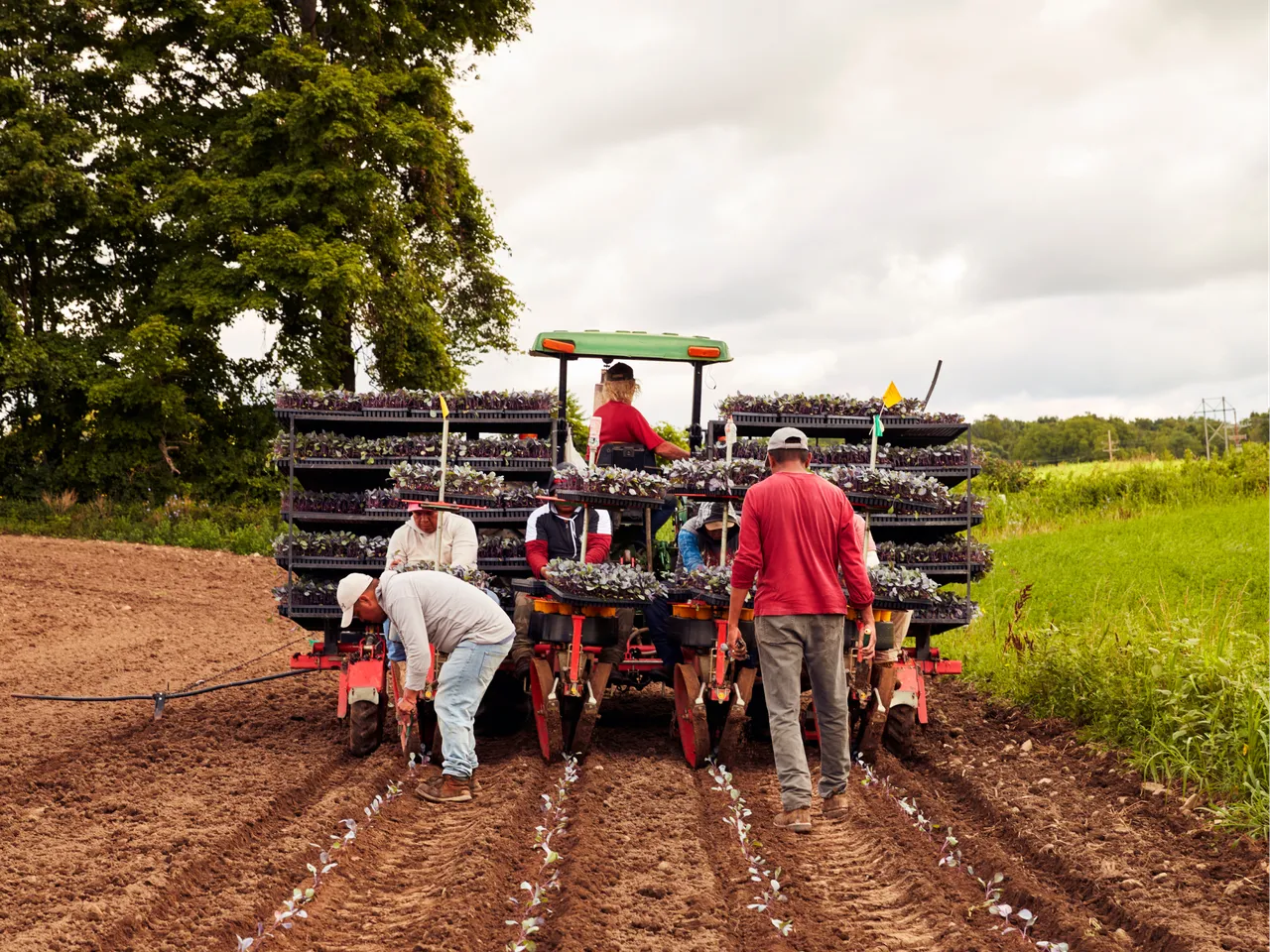
The answer to every produce outbreak can’t be that Americans eat fewer vegetables and more ultra-processed food, deeming it as a safer option.
We know the long-term health consequences of diets built around those foods and they are not good. We should be making healthy choices easier, not harder. As leaders, it is our responsibility to advance and advocate for a food system that doesn’t ask people to sacrifice their health for their sense of safety.
Rebuilding public confidence starts with something simple: restoring our connection to what we eat, where it comes from, and who grows it. We should replace complex and opaque supply chains with greater transparency and collaboration between food service providers and the farmers working behind the scenes.
Many Americans instinctually know this, as they turn to farmers’ markets to nourish their families in this time of uncertainty. They feel the need to meet the people who grow their food and know where it comes from. At Sweetgreen, we can trace our ingredients from restaurant to farm, usually down to the lot number, which makes us confident in the ingredients we serve daily. If needed, our traceability capabilities allow us to quickly remove items from our menu.
Closer relationships with growers alone do not stop food pathogens. But they improve transparency, communication, and accountability, which can help improve results. Close relationships also build trust. For us, working with farmers and suppliers we know and trust is at the core of our business, and we’re proud of the direct relationships we build with our partners.
Restaurant owners and retailers must stay closer to the source. Doing so gives the context needed to make better decisions for the customers who rely upon them to serve as their proxies in the food system. I’ve learned more about our food supply while standing in growing fields than I ever have by reviewing procurement documents.
Food safety is something I’ve seen firsthand on a farm. Before I can even walk into a lettuce field, I have to wash and sanitize my hands, put on gloves and a hairnet, and avoid touching the crop. The lettuce is harvested overnight so it stays cool before entering a refrigerated supply chain that transports it all the way to our restaurants for near daily deliveries. On organic farms, growers rely on methods most consumers don’t hear about, like releasing ladybugs into fields to naturally control pests instead of using conventional pesticides.
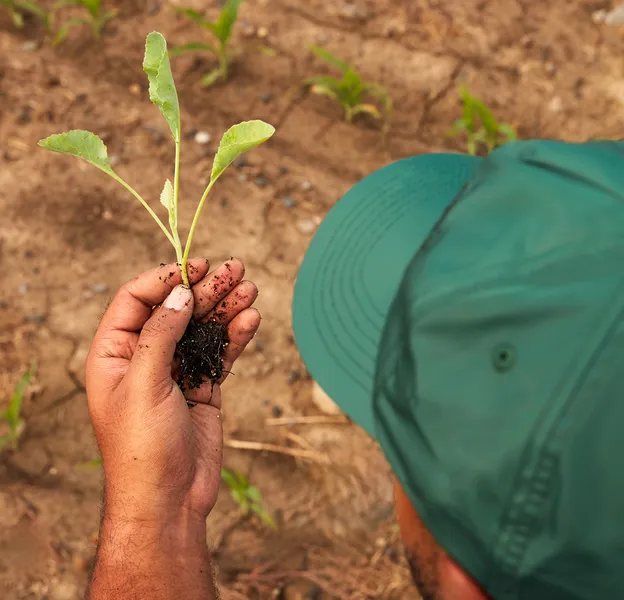
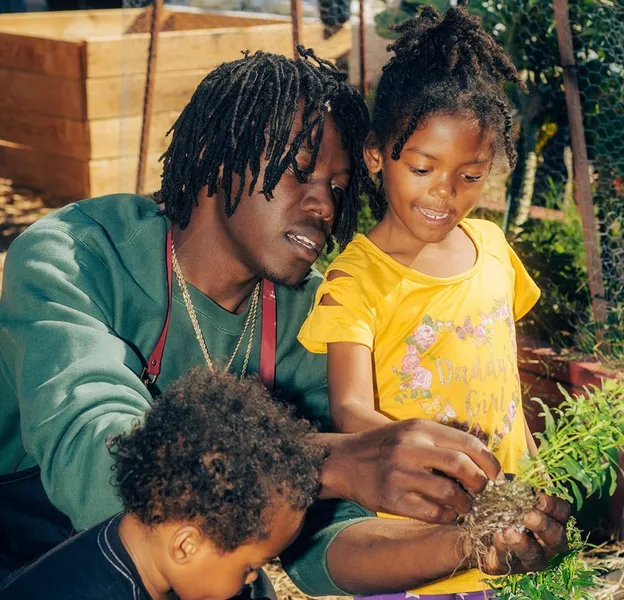
Close collaboration with growers allows us to see conditions in the environment and working culture that aren’t listed on a certificate of compliance, and ask candid questions. You notice things like how water is managed after heavy rain, how harvest and processing teams communicate, how carefully fertilizer is monitored, and the care with which growers treat the land.
Those observations don’t replace rigorous food safety standards, but they create stronger partnerships, more candid conversations, and a deeper understanding of how food is grown – in turn giving consumers the transparency they deserve. Think about a child in school. Report cards and test scores provide information, but parents who know the teacher and stay engaged tend to have a much better understanding of how their kid is doing.
Direct relationships also enable co-creation of best practices and growing processes. When we made the decision to move to organic kale years ago, we partnered with growers we already trusted, rather than starting from scratch. Together, we navigated what it would take to make the transition, growing a product we were proud to serve while helping those farms expand their organic production and operation.
Our current system is built on third party audits and certificates, all necessary. But a human layer built on direct relationships, instead of just arms-length procurement, can give food businesses more context, candidness, and continuous information.
When, not if, the next foodborne illness outbreak occurs, the answer is not to retreat to ultra-processed foods. Consumers should be able to trust that the failure is isolated to a specific source, and not a failure of the entire system. That means building a system that is transparent and connected enough to earn trust.